
ACERIS helps you define which configuration fits your installation and coordinates the project with Qualicard. Installation and commissioning is carried out by the brand's technical team or authorized installers depending on the project.
Access control
Parking barriers and vehicle access control
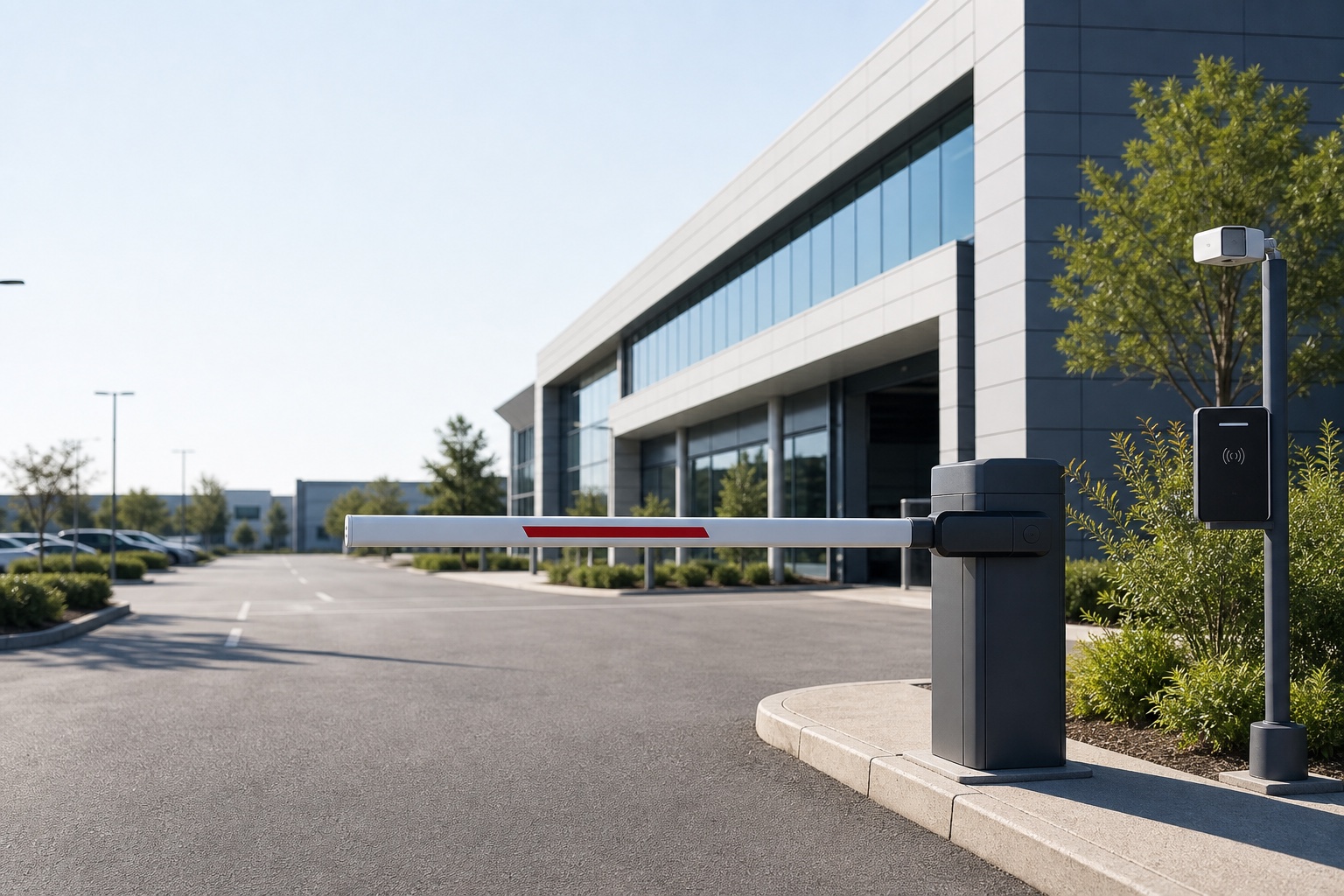
Solutions to control entry and exit of vehicles in company car parks, corporate buildings, industrial premises, logistics centers and private facilities.
When does it make sense to control vehicle access?
In many companies, vehicle access is one of the most sensitive points of the installation. It is not only about opening or closing a barrier, but about defining who can enter, at what time, through which lane and with what authorization system.
This type of solution fits in company car parks, corporate buildings, industrial premises, logistics centers, private car parks, loading and unloading areas or accesses where employees, visitors, suppliers, transporters and authorized vehicles coexist.
Access can be managed by remote control, RFID card, proximity reader, credential, gate opening, intercom, controller or license plate reading. The appropriate solution depends on the flow of vehicles, the width of the lane, the type of users, the security required and the available infrastructure.
Before recommending a barrier or control system, it is advisable to review the power supply, the data network, the direction of circulation, the need for independent entry and exit, the presence of pedestrians, lane safety, the possible reading of license plates and integration with other existing systems.
This is how vehicle access control works
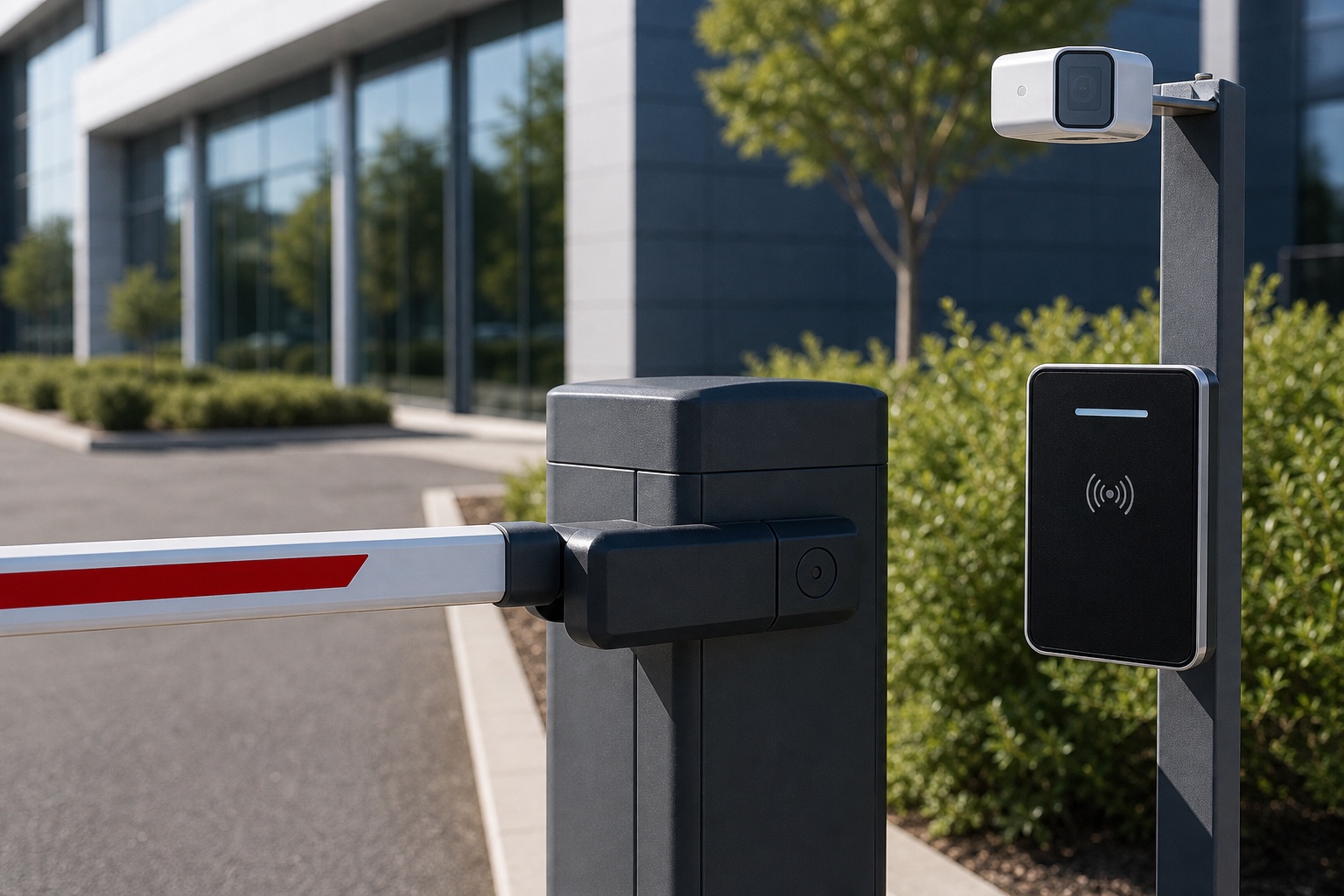
The barrier is the physical part that allows or blocks passage, but authorization depends on the system that validates the vehicle or user. That is why it is not enough to choose a barrier: it is necessary to define how access is identified and what element orders the opening.
- Identification The vehicle or user is identified by remote control, card, RFID reader, credential, intercom, opening from the gatehouse or reading the license plate if the project allows it.
- Validation The system checks if that vehicle, user or credential has permission to access.
- Controller / system The controller or authorization system applies access rules, schedules and permissions according to the defined configuration.
- Barrier opening If access is authorized, the barrier receives the opening order and allows the vehicle to pass.
Regular configuration for parking and vehicle access
The usual configuration for a vehicle access combines an automatic barrier with an authorization system adapted to the actual use of the car parks or facility. In simple installations, authorized controls or cards may be sufficient. In professional environments, it is usually necessary to add readers, controllers, user permissions, opening from a booth or reading license plates.
In company car parks or corporate buildings, it is usual to differentiate employees, visitors, authorized suppliers and vehicles. In industrial premises or logistics centres, it may also be necessary to control access for trucks, delivery vehicles, external personnel or temporary entrances.
The reading of license plates can be assessed when a more fluid entry or automatic identification of the vehicle is needed. However, it must be reviewed according to the environment, lighting, camera position, reading angle, lanes, speeds and real needs of the project.
- Automatic barrier to control entry and vehicle exit.
- RFID controls, cards or credentials for authorized users.
- RFID reader or proximity system depending on the access use.
- Controller for managing permits and opening orders.
- License plate/LPR reading if the project so requires allows.
- Photocells, loops or other security elements depending on the installation.
- Opening from sentry box, reception or authorized point if applicable.
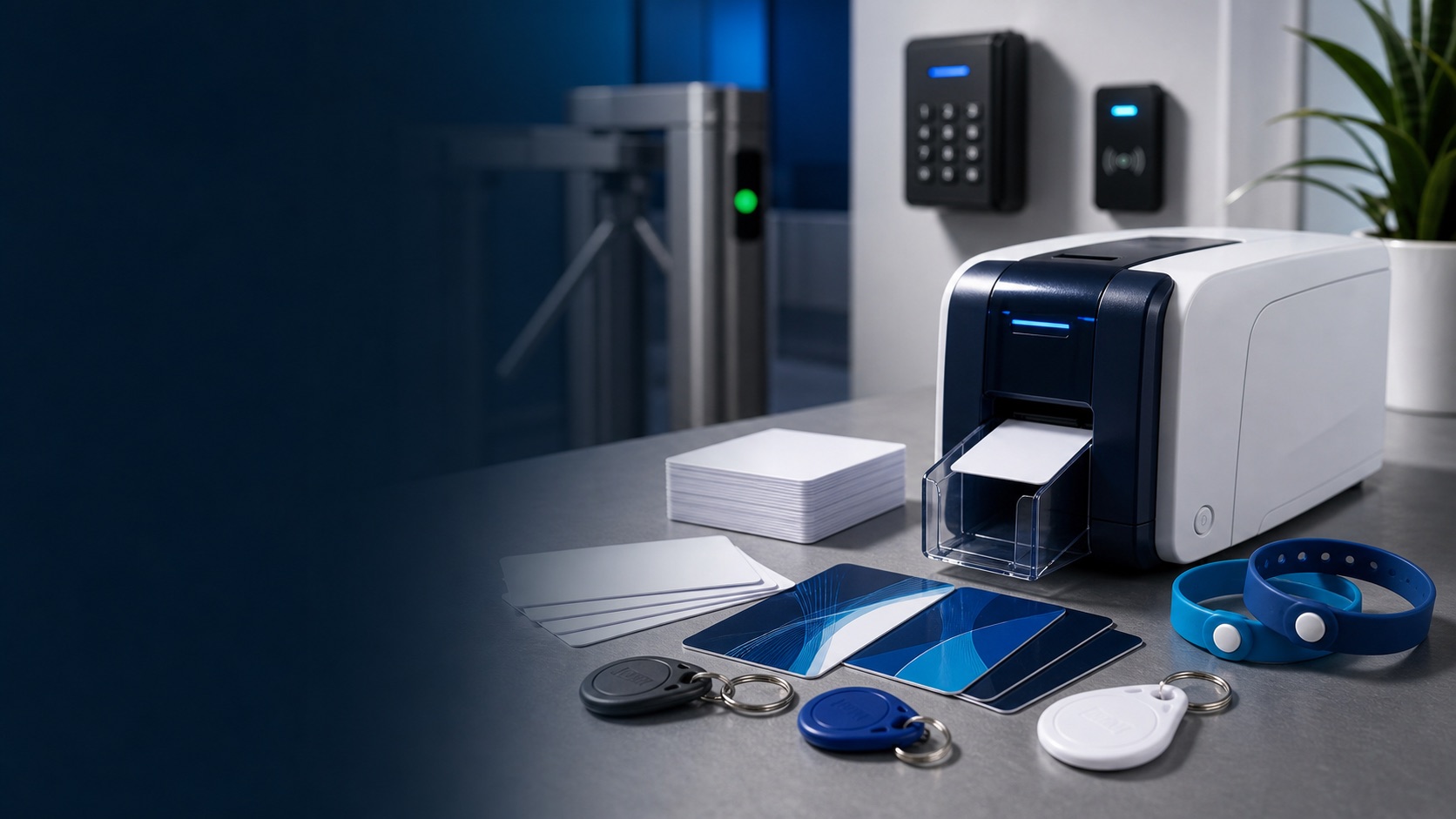
If the solution uses controls, cards, keychains or credentials, we also review the RFID/MIFARE credentials suitable for installation.
What do we review before quoting?
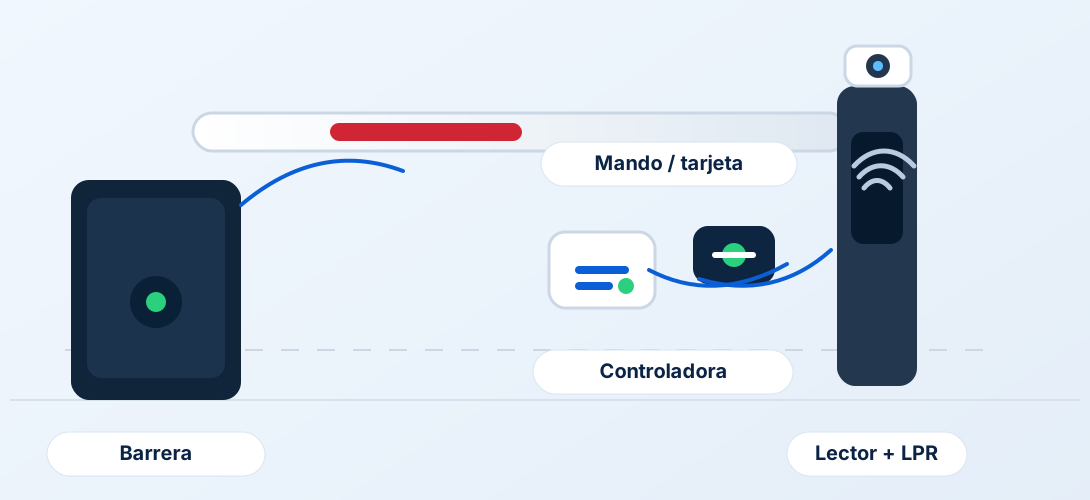
Each vehicle access has different conditions. Before recommending a barrier or authorization system, we review the key points to avoid installation errors, security problems or solutions that do not adapt to daily use.
Lane width and available space
We review the width of the passage, the necessary length of mast, the free space and the most appropriate location of the barrier.
Entry, exit and direction of circulation
We assess whether access requires an entry barrier, an exit barrier, independent lanes or bidirectional control.
Type of vehicles
Controlling cars is not the same as controlling vans, trucks, delivery vehicles or mixed accesses with different sizes and frequencies.
Authorization system
We define whether it is appropriate to use controls, cards, RFID readers, opening from a gatehouse, intercom, license plate or a combination of several systems.
License plate reading
If LPR is considered, we check lighting, reading angle, camera position, distance, lane, speed and expected reliability.
Lane security
We check if photocells, loops, signage, traffic lights, rakes or other elements are needed depending on the environment.
Power supply and data network
We verify if there is nearby power, possibility of wiring, communications and connection needs with controller or software.
Integration with existing systems
If there is already access control, guardhouse, CCTV, software, readers or credentials, compatibility is reviewed before proposing a solution.
Common mistakes to avoid
Vehicle control may seem simple, but it is a bad barrier. raised can generate problems of use, safety, maintenance or integration with the rest of the installation.
- Choose a barrier without reviewing the actual width of the lane.
- Do not differentiate between entry, exit and directions of traffic.
- Install license plate reading without checking lighting, angle or distance.
- Do not provide photocells, loops or other necessary security elements.
- Use controls or cards without defining registrations, cancellations and permissions.
- Do not assess how visits, suppliers or temporary vehicles will be managed.
- Assume integration with existing systems without reviewing it. compatibility.
- Install equipment without checking the power supply, data network and auxiliary work.
Elements that can be part of the solution
Depending on the type of access and the level of control needed, an authorization solution Parking or vehicle access can combine different elements. The key is that barrier, authorization, security and management work in a coordinated manner.
Automatic barriers
They allow physical control of the passage of vehicles at entrances, exits, private car parks or business premises.
Controls and cards
They allow access by employees, managers or regular users through assigned credentials.
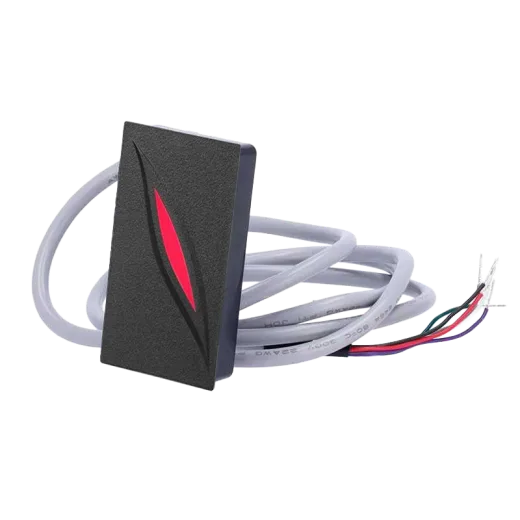
RFID readers
They identify the user or vehicle using a card, keychain or compatible credential before authorizing the opening.
License plate reading
It can be evaluated to identify authorized vehicles automatically, always reviewing environmental conditions and expected reliability.
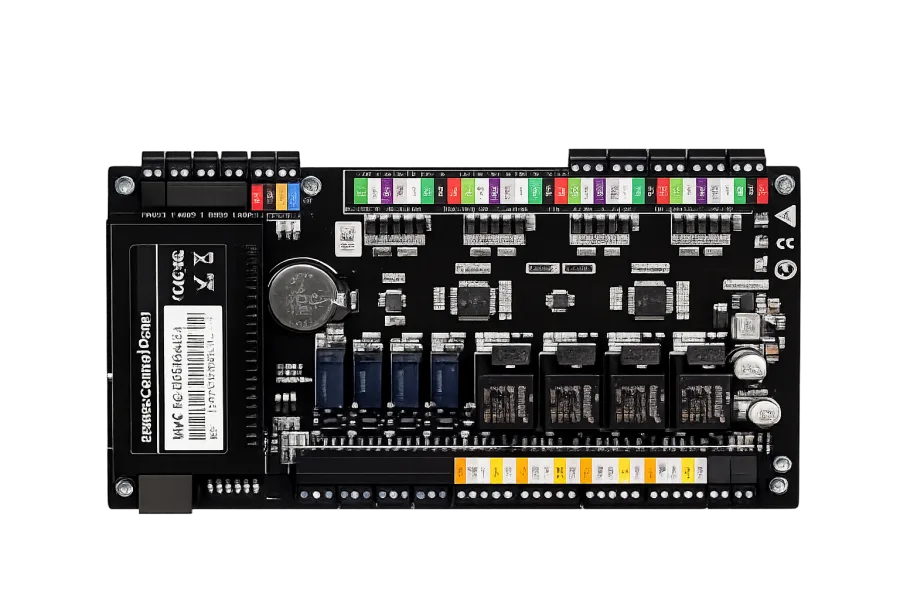
Controllers
They manage permissions, validations and opening orders according to the configuration defined for access.
Security elements
Photocells, loops, signaling or auxiliary elements may be necessary to protect the passage and improve operation.
The choice of equipment depends on the lane, the type of vehicles, the form of authorization, the available infrastructure and the level of security required.
FAQ
Frequently asked questions
Can the barrier be opened with a card or remote?
Yes. In many company car parks or private areas, access can be authorized using controls, cards or RFID/MIFARE credentials. The exact solution depends on the type of user, the number of vehicles and how you want to manage registrations, cancellations and permits.
Can license plate reading be used?
Yes, reading license plates can be considered to automate access for authorized vehicles. Before proposing it, you must check the lighting, camera angle, distance, lane, speed of passage and real surrounding conditions.
Is there a need for an entry barrier and an exit barrier?
Depends on the circulation of the premises. Some accesses operate with a single barrier, while others require separate entry and exit, separate lanes, or two-way control. It is advisable to review the flow of vehicles before deciding.
Can it be opened from a booth or reception?
Yes. In many projects, opening can be foreseen from a gatehouse, reception or an authorized point. Manual openings can also be combined with automatic authorization systems.
What happens if I already have cameras, CCTV or access control?
If there are already installed systems, you must first check compatibility. It is not a good idea to assume that a barrier, camera or controller will fit existing systems without checking first.
What security elements does a barrier need?
Depends on the environment and use. It may be necessary to consider photocells, loops, signage, traffic lights, rakes or other auxiliary elements to protect the passage and avoid incidents.
Who coordinates the commissioning of the system?
ACERIS helps you define the solution and coordinates the project with Qualicard. The installation and commissioning is carried out by the brand's technical team or authorized installers depending on the project.
Proposal
Request a proposal for this access
Do you want to control vehicle access?
Tell us what your access is like, which vehicles must enter and what authorization system you need. We help you define a solution with a barrier, reader, controller, command, card or license plate reading depending on the project.
Or contact us by phone or email